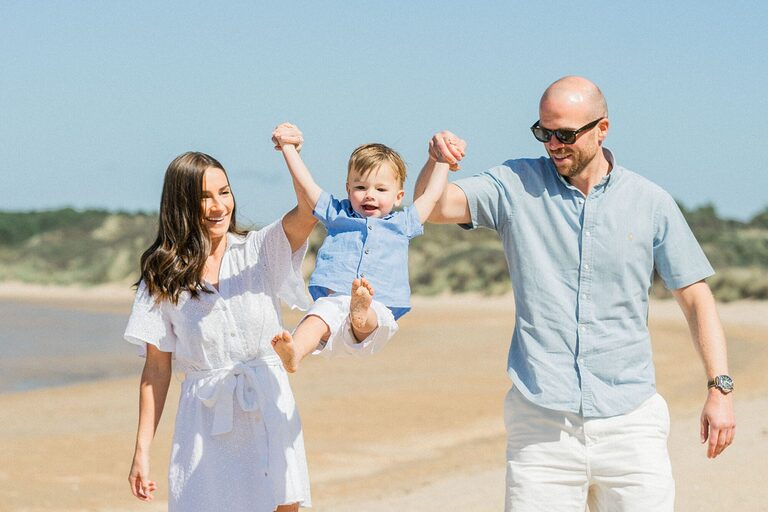
Packing for a beach holiday with a toddler in stroller can feel like a project on its own and once you add worries about safety, boredom or a cranky child by lunchtime, the whole idea of a relaxing getaway can start to feel out of reach. The good news is that some of the best beach holidays for families are also the easiest to plan, as long as you choose the right coastline, pace your days sensibly and pack a few smart essentials. This guide walks through where to go, what to pack and how to keep everyone safe and happy in the sand and sea.
Overview: Quick Answers for Busy Parents
- The calmest, most toddler-friendly beaches have shallow water, gentle slopes and little to no current
- Europe’s Mediterranean coast (Spain, Portugal, Greece, Croatia) and Southeast Asia (Bali, Thailand) both offer excellent shallow, warm-water options
- Mornings and late afternoons are the safest and most comfortable times to be on the sand with young children
- Look for resorts with kids’ clubs, shaded pools and a short walking distance to the beach
- Pack swim nappies, a pop-up shade tent and water shoes as non-negotiables
- Keep the daily plan light. One beach session and one rest period is enough for most toddlers
- Bring a lightweight foldable beach wagon if driving, as it makes transporting towels, toys and snacks much easier
- Book accommodation within walking distance of the beach to avoid daily parking and transport hassles with young children
Best Toddler-Friendly Beaches in Europe and Asia
Not every beautiful beach suits a toddler. Steep drop-offs, strong currents or long walks down cliffside paths look wonderful in photos but turn stressful fast when you are carrying a nappy bag, a sun umbrella and a tired two-year-old. The best toddler friendly beaches share a few traits: gentle slopes into the water, calm bays and easy access from the car park or resort.
Europe
Menorca’s Cala Galdana is a horseshoe-shaped bay backed by pine trees, with shallow water that stays paddle-friendly for a long stretch before it deepens.
Mallorca’s Playa de Muro offers six kilometres of soft sand and shallow water, with plenty of cafes nearby for when snacks are needed urgently.
In Portugal’s Algarve, Praia do Barril often has relatively calm, sheltered water during the summer season and a wooden walkway that makes pushing a pram simple.
Cyprus adds Nissi Beach and Fig Tree Bay to the list, both known for warm, walkable shallows and excellent facilities.
Asia
Bali’s Nusa Dua and Sanur beaches are protected by offshore reefs, which often help create calmer conditions and gentler waves throughout much of the year.
Sanur also has a long-paved promenade that works well for stroller walks.
In Thailand, Kamala Beach in Phuket and Khlong Dao Beach on Koh Lanta both have gentle waves and soft sand, making them popular family beach destinations for parents travelling with very young children.
When researching a new spot, search for words like “shallow”, “calm bay” or “gentle slope” alongside the beach name and check recent reviews from other parents, since sea conditions can change with the season.
Travel hack: Before booking, check satellite images of the beach using online maps. This can help you spot steep drop-offs, rocky shorelines and long distances between resorts and the water.
Safe Swimming Tips for Young Children
Water safety is usually the biggest worry for parents planning coastal family holidays, so it helps to have a simple routine in place before you even reach the sand.
- Always stay within arm’s reach of a toddler in or near water, even in shallow pools
- Choose beaches with lifeguards where possible and check flag warnings before entering the sea
- Fit young children with a properly fitted Coast Guard-approved or certified swim vest where appropriate
- Avoid vigorous water play if your child feels uncomfortable after a large meal and keep swimming sessions short and frequent rather than prolonged
- Check the tide times, since a calm shallow beach at low tide can look very different a few hours later
- Rinse and dry ears after swimming to reduce the chance of irritation
- Establish a clear meeting point on the beach in case family members become separated
- Take a photo of your child each morning so you have an up-to-date image of their clothing and appearance
Practising safe beach travel with kids also means checking the specific beach conditions on the day you visit rather than relying only on general reputation, since wind and tide can change things quickly.
Beach Activities for Toddlers
A bored toddler on a beach holiday rarely stays calm for long, so having a few simple activities ready makes a big difference to how smoothly the day goes. Beach activities for kids do not need to be elaborate. Simple, sensory play usually works best at this age.
- A bucket and spade set for digging and building
- Water tables or small paddling pools set up well above the high-tide line
- Shell and pebble hunts along the shoreline
- Floating toys for supervised shallow paddling
- A shaded picnic mat for snack breaks and short naps
- Bubbles, which are almost always a hit with toddlers on a breezy beach
- Nature scavenger hunts using shells, leaves and driftwood
- Beach-safe washable paintbrushes with water for drawing on rocks or pavement nearby
- Collecting seashells for a simple holiday memory jar
Rotating between two or three of these every hour keeps a young child engaged without overtiring them and it also gives parents a natural excuse to take breaks in the shade.
What to Pack for a Beach Holiday with Kids?
A well-packed bag saves a lot of stress once you are actually on the sand. Beyond the usual holiday basics, a few beach-specific items make a real difference when travelling with a toddler.
- Swim nappies and a few spares
- A pop-up shade tent or beach umbrella
- Water shoes to protect little feet from hot sand and sharp shells
- A wide-brimmed hat and UV swimwear
- Broad-spectrum sunscreen suitable for your child’s age and skin type
- A cooler bag for snacks, milk and water
- A lightweight stroller that can handle sand or a beach-friendly carrier
- Portable fan or cooling towel for hot climates
- A basic first-aid kit with plasters, antiseptic wipes and children’s pain relief
- Reusable waterproof bags for wet clothes and swimwear
- Extra snacks for unexpected delays or missed meal times
- A portable phone power bank for emergencies
Pack light where you can and buy bulky items like large beach toys on arrival, since many resort towns sell them cheaply near the beachfront.
Travel hack: Freeze water bottles overnight before heading to the beach. They help keep snacks cool and gradually melt into cold drinking water later in the day.
Choosing Family-Friendly Resorts near the Beach
The right resort can make or break a beach holiday with toddlers. Look for a property that is a short, flat walk from the sand rather than one that requires a long drive, since this makes spontaneous short beach trips much easier to manage.
Useful features to check before booking include:
- A shallow kids’ pool separate from the main pool
- Family rooms or connecting rooms with space for a cot
- A kids’ club with toddler-friendly or supervised family activities, even if you only use it occasionally
- Room service or a casual restaurant with a children’s menu
- Blackout curtains to help protect nap and bedtime routines
- Laundry facilities, which are surprisingly useful with a toddler on holiday
- Ground-floor rooms or rooms with lift access to make stroller use easier
- A nearby supermarket or convenience store for snacks, drinks and toddler essentials
Reading recent reviews from other parents rather than general traveller reviews will usually give a clearer sense of how toddler-friendly a resort really is.
How to Manage Sun Safety and Routines?
Toddlers overheat and burn more easily than adults, so sun safety needs to be planned into every beach day rather than treated as an afterthought.
- Plan beach time for early morning or after 4pm when the sun is less intense
- Reapply sunscreen every two hours and according to the product instructions, especially after swimming or excessive sweating
- Use a shade tent or umbrella for a base camp on the sand
- Offer water regularly, even if your toddler does not ask for it and include water-rich snacks such as watermelon, oranges or cucumber where appropriate
- Keep naps and mealtimes as close to the usual routine as possible, since this helps young children cope better with new environments
- Watch for signs of overheating such as flushed cheeks, unusual tiredness or reduced interest in play
- Use UV-protective swimwear and rash guards to reduce reliance on sunscreen alone
A relaxed pace with built-in rest periods tends to work far better than trying to pack in a full day of activities.
Comparison: Toddler-Friendly Beach Destinations at a Glance
| Destination | Water Conditions | Best For |
| Cala Galdana, Menorca | Calm, shallow bay | First-time beach travellers |
| Playa de Muro, Mallorca | Shallow, gently sloping | Families wanting long sandy stretches |
| Praia do Barril, Algarve | Generally calm in summer | Easy beach access |
| Nusa Dua, Bali | Usually calm, reef-protected | Warm-weather escapes |
| Sanur, Bali | Calm, stroller-friendly promenade | Relaxed pace with older toddlers |
| Kamala Beach, Phuket | Calm near shore | Babies and younger toddlers |
| Khlong Dao Beach, Koh Lanta | Gentle waves, shallow water | Relaxed family holidays |
Frequently Asked Questions
Most toddlers from around one year old can enjoy a beach holiday, as long as sun exposure, water safety and nap routines are carefully managed.
Shallow water is generally safer, but conditions can change with tide and wind, so it is still important to supervise closely and check local safety flags.
Short sessions of one to two hours, broken up with shade and rest, usually work better than one long stretch in the sun.
Formal lessons are not essential, but water confidence sessions can help a toddler feel more comfortable in the sea and make supervision easier.
Many parents find all-inclusive resorts reduce stress on a beach holiday, since meals, snacks and kids’ clubs are already arranged, leaving more time for relaxed beach days.
Generally, shoulder seasons are ideal because temperatures are milder, beaches are less crowded and accommodation prices are often lower than during peak holiday periods.
Alternating between sand play, water play, snacks, walks and quiet time in the shade usually works better than staying in one activity for extended periods. Bringing a few familiar toys from home can also help.