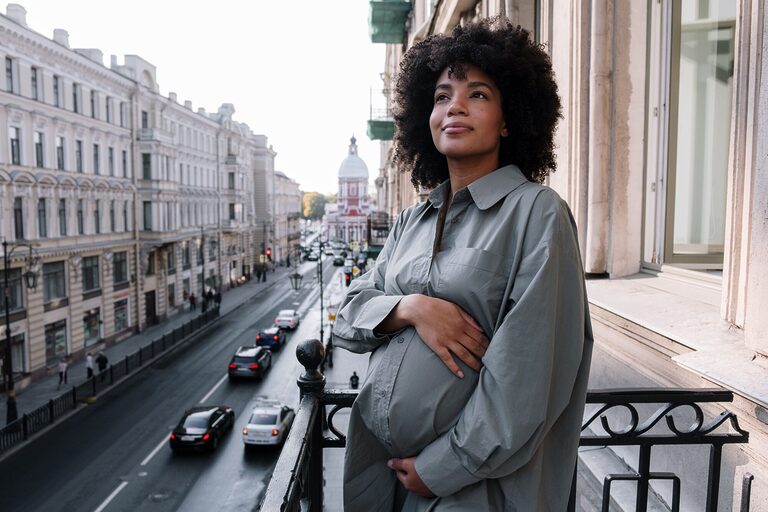
Choosing the right time to travel during pregnancy can make a big difference to how comfortable and enjoyable your trip feels. If you are wondering when it is safest to fly, take a road trip or plan a holiday, understanding what to expect during each trimester can help you travel with greater confidence. Most doctors and airlines agree that the middle months of pregnancy tend to offer the smoothest travel experience, although the best time for you depends on your health, your pregnancy and your healthcare provider’s advice. This guide breaks down what to expect trimester by trimester so you can plan a trip that feels safe and comfortable.
Overview: Quick Answers for Pregnant Travellers
- Second trimester is usually the best time to travel, as energy levels are often higher and pregnancy symptoms are generally easier to manage.
- Most healthy pregnancies can travel safely with approval from a healthcare provider and appropriate planning.
- Airline restrictions commonly begin after 28 weeks, with many requiring a medical certificate and limiting travel after 36 weeks for a single pregnancy.
- First trimester travel is generally safe, although nausea, fatigue and scheduled prenatal appointments may make travelling less comfortable.
- Third trimester travel requires extra planning because of reduced mobility, a higher chance of labour and airline or cruise line restrictions.
- Speak with your healthcare provider before booking if you have a high-risk pregnancy, are expecting multiples or have experienced pregnancy complications.
Why the Second Trimester Is Often Recommended?
Ask any midwife, doctor or experienced traveller who has been pregnant and they will likely point you towards weeks 14 to 27 as the sweet spot. By this stage, early pregnancy symptoms like nausea and extreme fatigue have usually settled for many people and the risk of miscarriage drops significantly compared with the first trimester. Energy levels also tend to improve, making sightseeing, walking tours and long travel days much more manageable.
Physically, the second trimester offers a practical window before your bump becomes large enough to limit mobility or comfort. A traveller heading to Bali for a babymoon at 18 weeks, for example, will likely find it easier to manage airport transfers, uneven pathways and long boat rides than someone travelling at 34 weeks. This is also the stage when many obstetricians are happy to support travel, provided the pregnancy is progressing normally.
Risks by Stage of Pregnancy
Every trimester carries its own considerations and understanding them helps you plan realistically rather than anxiously.
First trimester (weeks 1 to 13)
- Morning sickness and fatigue can make travel physically draining
- Miscarriage risk is statistically higher during this window, regardless of travel
- Early prenatal appointments and scans may be harder to reschedule if you are away
- Many people choose to wait until after their pregnancy is progressing well before booking trips. If you do travel during these early weeks, managing nausea while travelling pregnant can help make flights, road trips and other journeys more comfortable.
- “Pregnancy is confirmed stable” is not a phrase healthcare professionals commonly use.
Second trimester (weeks 14 to 27)
- Generally the most comfortable stage for travel, with fewer symptoms
- Energy levels are typically at their highest during pregnancy
- Still enough time before travel restrictions from airlines or cruise lines usually kick in
- A good window for babymoons, family visits or work trips that cannot be avoided
Third trimester (weeks 28 to 40)
- Travelling during the third trimester requires more planning and often medical clearance
- Swelling, back pain and reduced mobility become more noticeable
- Risk of preterm labour increases, particularly after 34 weeks
- Many airlines restrict or ban travel close to the due date, especially for long haul routes
Airline and Medical Guidance
Airline policies vary, so it is worth checking directly with the airline before booking rather than assuming the rules are the same everywhere. As a general guide:
| Pregnancy Stage | Typical Airline Policy |
| Up to 27 weeks | Usually no restrictions or documentation needed |
| 28 to 36 weeks | Doctor’s letter confirming fitness to fly often required |
| After 36 weeks (single pregnancy) | Many airlines restrict or refuse travel |
| After 32 weeks (twins or multiples) | Earlier restrictions typically apply |
A doctor’s letter usually needs to confirm the expected due date, that the pregnancy is low risk and that there are no expected complications. It is sensible to carry a printed copy rather than relying on a phone screenshot, since some check-in staff still ask for paper documentation. For more practical guidance on airline restrictions, seat selection and staying comfortable in the air, see this guide to flying while pregnant.
For long haul flights, doctors commonly recommend:
- Wearing compression stockings to support circulation
- Getting up to walk or stretch every hour or two
- Staying well hydrated throughout the flight
- Choosing an aisle seat for easier movement
Travel insurance is another detail worth double checking. Some policies exclude pregnancy related claims after a certain week, so confirming your cover before departure helps avoid unexpected costs or complications later.
When to Avoid Travel Altogether?
There are situations where postponing travel is the safer choice, regardless of trimester. These include:
- A history of miscarriage, preterm labour or ectopic pregnancy
- High blood pressure, pre-eclampsia or gestational diabetes that is not well controlled
- Placenta praevia or other placental complications
- Multiple pregnancy, especially in the third trimester
- Any bleeding, cramping or reduced foetal movement close to a planned trip
If any of these apply, a conversation with your obstetrician before booking is essential. Even a straightforward pregnancy can benefit from a quick check-in with a doctor before departure, particularly for international or long-haul trips where medical care abroad may be harder to access.
Frequently Asked Questions
Most airlines allow flying throughout pregnancy up to around 36 weeks for a single baby, though some set the limit slightly earlier. Always confirm with the specific airline.
Domestic flights sometimes allow travel later than international ones. After 28 weeks, expect to need a doctor’s letter and after 36 weeks many airlines will not permit boarding.
Yes, six months (around 24 to 27 weeks) falls within the second trimester and is often one of the most comfortable times to travel for both flying and sightseeing.
Long-haul flights are generally considered safe during the second trimester. Moving regularly during the flight and staying hydrated can help reduce the risk of blood clots.
Travel itself does not cause miscarriage, but many people prefer to wait until after the first scan for peace of mind, especially because of early pregnancy fatigue and nausea.
Yes. It is worth checking the policy wording carefully because some insurers stop covering pregnancy related issues after a certain stage of pregnancy.