Travelling with a toddler and bump is one of the most rewarding yet exhausting adventures a growing family can take on. Maybe you’re flying out for a wedding, fitting in one last babymoon before the family grows or just need a change of scenery. Either way, managing a curious toddler and a pregnant body can feel overwhelming. With the right planning, packing and mindset, you can handle the fatigue and the toddler chaos while still enjoying the trip. This guide shares practical, real-world advice from mothers who have done exactly this, from check in to bedtime.
Overview: Quick Answers for Travelling with a Toddler and Bump
If you’re short on time, here’s what matters most before you head to the airport.
- Best time to travel: The second trimester, around 14 to 27 weeks, usually brings the most energy and the fewest symptoms, making it the easiest window for travelling pregnant with a toddler.
- Check airline rules early: Policies vary, but many airlines allow pregnant travellers to fly up to 36 weeks domestically and around 28 to 32 weeks internationally without a doctor’s letter, though this changes by carrier.
- Separate your bags: Pack toddler essentials and your own maternity items in different bags so nothing gets buried when you need it fast.
- Build in extra time: Add buffer time at every stage, from security lines to nap breaks, since rushing raises stress for both you and your toddler.
- Plan for rest, not just sightseeing: A shorter, slower itinerary almost always beats a packed schedule when you’re managing two sets of needs.
- Keep entertainment within reach: Snacks, a favourite toy and something new for the journey can prevent meltdowns at the worst possible moment.
Planning Ahead and Setting Expectations
Good planning starts weeks before departure. Speak with your doctor or midwife about your travel plans, especially if you’re heading far from home or past 28 weeks along. Most healthy pregnancies allow travel without restriction, but it’s worth confirming if you have a history of complications.
Choosing the right destination matters too. A beach resort with a kids’ pool and a quiet room nearby is a very different trip from a city break involving three flights and constant walking. Be honest about your energy levels rather than your usual travel style.
Travel insurance is worth the cost here. A policy covering pregnancy related care and toddler medical needs typically runs between $40 and $120 for a two-week trip, far cheaper than paying for care abroad out of pocket.
Before choosing a policy, it is worth reviewing this guide to travel insurance for pregnant women to understand which pregnancy-related situations may be covered while travelling.
Setting expectations with your toddler also helps. Simple language such as telling them you’re going on an aeroplane to see grandma, given a few days before the trip, can ease anxiety and reduce tantrums once you’re on the move.
Packing for Both Toddler and Mum
Packing for two sets of needs is easier when you separate bags by purpose rather than by person.
Toddler travel essentials:
- Spare clothes for at least two changes
- Familiar snacks and a refillable water bottle
- A comfort item such as a blanket or stuffed toy
- Nappies, wipes and a portable changing mat if still needed
- A lightweight stroller that folds easily through security
Mum’s maternity travel bag:
- Comfortable, breathable maternity wear suited to the climate
- Compression socks to support circulation on long flights
- A pregnancy pillow or inflatable travel cushion
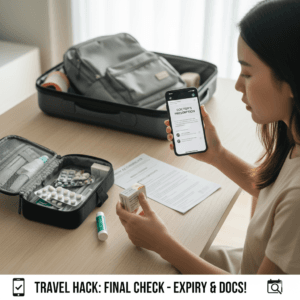
- Prenatal vitamins and any prescribed medication
- A copy of your maternity notes or doctor’s letter if travelling internationally
Carrying both bags yourself with a toddler in tow is rarely realistic. A baby carrier, can free up your hands at the airport, though check with your doctor first if you’re further along. Many parents also find it worth renting a car seat at the destination rather than checking one, usually around $10 to $20 a day.
Managing Routines and Sleep
Toddlers thrive on routine and pregnancy hormones can make you more sensitive to disrupted sleep too, so protecting both schedules matters more than usual.
Where possible, time flights or long drives around your toddler’s usual nap or sleep window. A flight that lines up with bedtime can mean a calmer journey for everyone, while a midday flight during peak energy hours often leads to restlessness.
Once you arrive, try to recreate familiar bedtime cues even in an unfamiliar room. The same bedtime story, a similar bath time and a consistent lights out time help toddlers settle faster in a new environment. Bringing a small portable nightlight or sound machine can also make hotel rooms feel less strange.
For yourself, don’t be afraid to nap when your toddler does. Pregnancy fatigue compounds quickly with travel and a short rest in the afternoon often prevents a much harder evening for the whole family.
Keeping Toddlers Entertained
Boredom is usually what triggers meltdowns, especially during waiting periods like security queues or flight delays.
A simple busy bag with a handful of small surprises wrapped individually works well for flights, since unwrapping each item becomes its own activity. Sticker books, magnetic drawing boards and a small selection of favourite toys also travel well without taking up much space.
Screens have their place too. A tablet loaded with a few familiar shows downloaded in advance can be a genuine lifesaver during a long-haul flight and there’s no need to feel guilty about leaning on it more than usual during travel days.
Involving your toddler in small parts of the trip, such as choosing which book to bring or spotting things out the window, also helps the time pass and gives them a sense of involvement rather than just being dragged along.
Safety and Comfort Tips for Pregnant Travellers
Airports can be tiring at the best of times and managing one with a toddler and a bump takes some extra strategy.
Airport tips for pregnant travellers:
- Request priority boarding and family lane access at check in
- Choose an aisle seat near the front of the cabin for easier bathroom access
- Wear compression socks and stand or walk a few minutes every hour to lower blood clot risk
- Stay hydrated and avoid excess caffeine
- Keep a printed copy of your due date and medical notes in your hand luggage
Flying while pregnant tips beyond the airport:
- Avoid destinations with malaria risk or active Zika transmission. If you are still deciding where to go, this guide to safe countries to visit while pregnant can help you compare destinations based on healthcare access, health risks and overall suitability.
- Check the altitude of your destination if you’re prone to dizziness
- Pack prescribed medication in your carry on rather than checked luggage
- Confirm your airline’s specific cut off week for flying, since this varies by carrier
If anything feels off, such as unusual swelling, severe headaches or reduced movement from baby, seek medical attention straight away.
Trimester Travel Comparison
| Trimester | Energy Levels | Typical Airline Limit | Best Suited For |
| First (1 to 13 weeks) | Often low due to nausea and fatigue | Usually no restriction | Short, low pressure trips |
| Second (14 to 27 weeks) | Generally highest | Usually no restriction | Longer trips, flights, more activity |
| Third (28 to 40 weeks) | Often low due to discomfort | Often 28 to 36 weeks depending on carrier | Local trips or trips closer to home |
Frequently Asked Questions
For most healthy pregnancies, yes. The safest window is usually the second trimester, though it’s worth confirming with your doctor and checking your airline’s specific policy before booking.
The second trimester tends to work best, since energy levels are usually higher and early pregnancy symptoms have often eased by this point.
Some do, especially after 28 weeks or for international flights. Always check directly with your airline before travelling, since policies differ between carriers.
Building in extra time, keeping snacks and comfort items close and sticking to familiar routines as much as possible all help reduce the triggers behind most tantrums.
For longer trips or flights, renting items like a car seat or stroller at your destination often saves money and effort, usually costing $10 to $20 a day compared with the cost and hassle of checking your own.